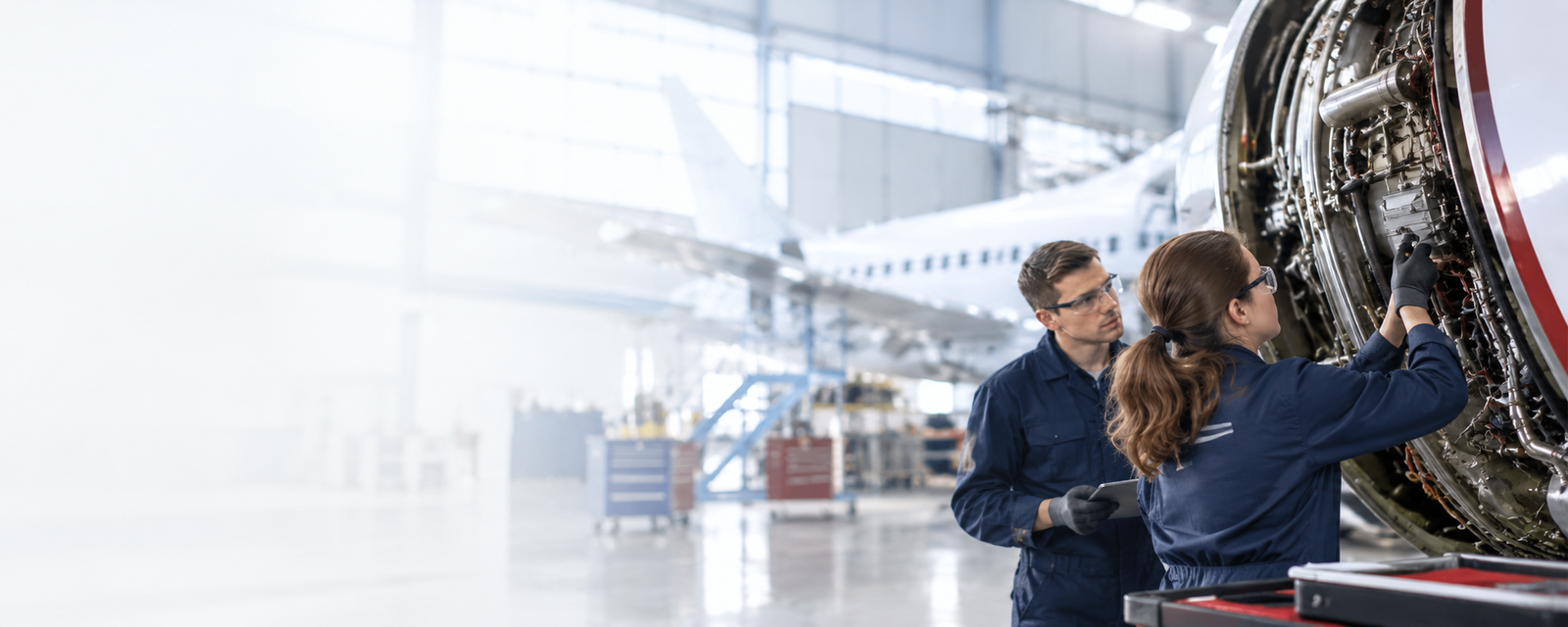
EASA PART-66 TRAINING
Aviation Maintenance
Training
High-quality aircraft maintenance education aligned with EASA Part-66 standards, combining theoretical knowledge with practical, career-focused training.
A complete pathway
for your aviation career.
From foundational knowledge to hands-on experience, our programs are designed to help you build the skills, confidence and qualifications needed for a successful career in aircraft maintenance.
SKILLS
SAFETY
OPPORTUNITY
Part-66 Modules
Structured theoretical training aligned with EASA Part-66 requirements for aviation maintenance professionals.
Exam Preparation
Focused preparation designed to strengthen your knowledge and help you approach Part-66 examinations with confidence.
CONFIDENCE
RESULTS
Practical Training
Hands-on learning that connects theoretical knowledge with real aircraft maintenance environments and procedures.
EXPERIENCE
COMPETENCE
Type Training
Aircraft-specific learning designed to support the next stage of professional development in aircraft maintenance.
SKILLS
PROFESSIONAL
DEVELOPMENT
Training designed around
aviation professionals.
EAAT combines structured theoretical learning with practical experience and industry knowledge, giving you the skills, confidence and support to build a long-term career in aircraft maintenance.
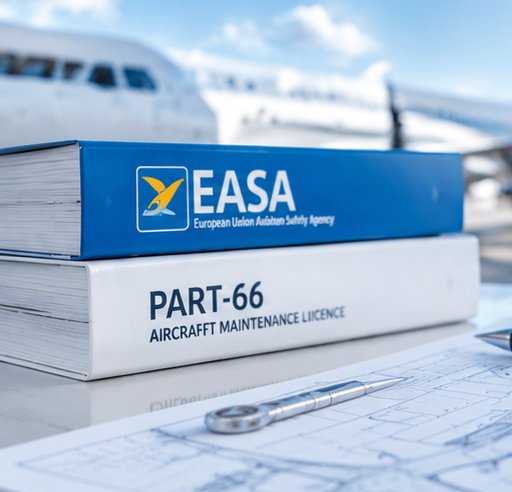
European Standards
Training structured around EASA Part-66 requirements, supporting learners in building the theoretical knowledge required for aircraft maintenance.
Practical Focus
Learning that connects technical theory with real aircraft environments, helping students understand how technical knowledge is applied in practice.
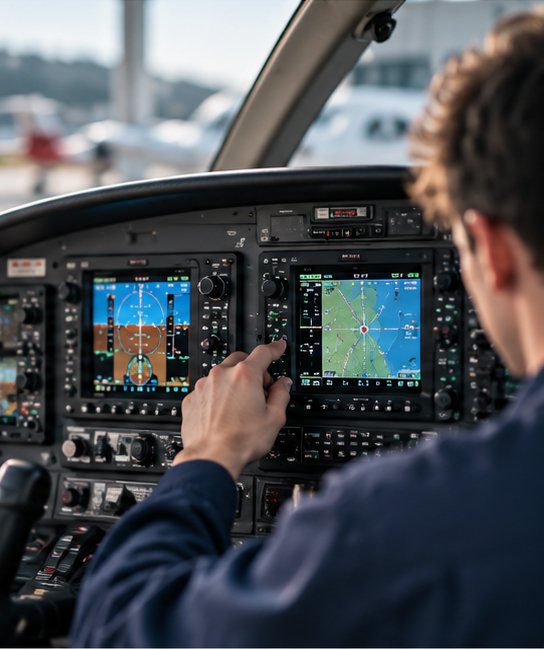
Career Development
A structured learning pathway designed to support continued professional growth in aircraft maintenance and aviation technical careers.

From training to
aircraft maintenance.
A structured pathway connecting technical knowledge, examinations and practical experience with your aviation career.
PRACTICE
QUALIFICATION
OPPORTUNITY
Training
Build the theoretical knowledge required for aircraft maintenance.
Examination
Prepare for and complete the required Part-66 module examinations.
Practical Experience
Develop practical maintenance skills and gain relevant experience.
Licence Pathway
Progress toward the applicable Part-66 aircraft maintenance licence pathway.
Career
Continue into aircraft maintenance, further training and type-specific development.
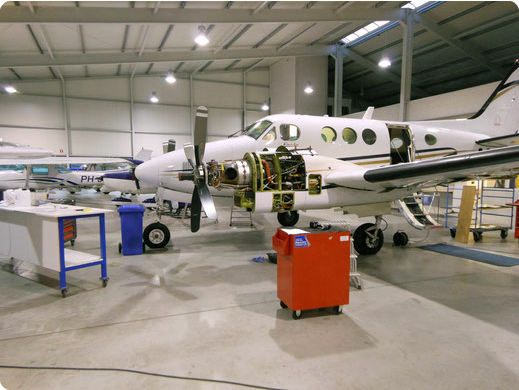
BEYOND THE CLASSROOM
Knowledge built for
real aviation.
Training is most valuable when knowledge connects with the realities of aircraft maintenance.
Ready to take
the next step?
Whether you are starting your aviation maintenance career or developing your existing skills, explore the training pathway that fits your goals.